TransitFix Home

Category

Transit Technology

13 articles

Optimized Into Inequity: When Transit AI Serves the Algorithm Better Than the Rider

Optimized Into Inequity: When Transit AI Serves the Algorithm Better Than the Rider

Transit agencies across the United States are turning to machine learning to modernize route planning and ridership forecasting, but the technology is generating serious questions about whose needs it actually serves. When predictive algorithms are trained on historical data shaped by decades of underinvestment, they may do little more than automate existing inequities at greater speed and scale. This investigation examines how artificial intelligence is reshaping urban mobility decisions—and wh


Designed for the Depot, Not the Platform: How Transit Apps Leave Riders Behind

Designed for the Depot, Not the Platform: How Transit Apps Leave Riders Behind

Transit agencies across the United States have invested heavily in real-time apps and journey planners, presenting them as tools built for the modern commuter. But beneath the polished interfaces, the algorithms driving these systems were engineered to solve operational problems—not human ones. Understanding whose interests these tools actually serve reveals a fundamental misalignment at the heart of American transit technology.

Counting Shadows: How Transit Agencies Inflate Network Size With Routes That Barely Exist

Counting Shadows: How Transit Agencies Inflate Network Size With Routes That Barely Exist

Across the United States, transit agencies routinely count peak-hour express routes and weekend-only lines as permanent, full-service network offerings—a practice that distorts ridership data, misleads commuters, and obscures genuine coverage gaps. When a rider discovers that the route shown on the map only operates during morning rush hour on weekdays, the gap between advertised service and lived reality becomes impossible to ignore. A closer look at how agencies define 'active service' reveals

Mapped Into Compliance: How Transit Agencies Use Data to Overstate the Networks They Actually Operate

Mapped Into Compliance: How Transit Agencies Use Data to Overstate the Networks They Actually Operate

Transit agencies across the United States routinely publish service maps and schedules that bear little resemblance to the service riders actually receive. A close examination of General Transit Feed Specification data alongside commuter-reported experiences reveals a persistent gap between advertised coverage and operational reality. The discrepancy is not always accidental—and the consequences for riders are significant.

Routes to Nowhere: How Phantom Transit Lines Are Misleading Millions of American Commuters

Routes to Nowhere: How Phantom Transit Lines Are Misleading Millions of American Commuters

Across the United States, transit apps confidently display routes, stops, and schedules for services that exist only in digital form. The gap between what commuters see on their screens and what actually operates on the street represents one of the most quietly damaging failures in modern transit data management. Understanding why this happens—and how a handful of cities are beginning to close the gap—matters enormously for the future of urban mobility.

Phantom Service: The Political and Bureaucratic Forces Keeping Empty Buses on the Road

Phantom Service: The Political and Bureaucratic Forces Keeping Empty Buses on the Road

Across the United States, transit agencies operate dozens of routes each day that carry a fraction of the riders they were designed to serve—yet the buses keep running. A combination of political inertia, funding structures, and institutional resistance to change has insulated these ghost routes from the kind of data-driven scrutiny that could redirect resources where they are genuinely needed. A growing number of cities, however, are beginning to challenge that status quo.

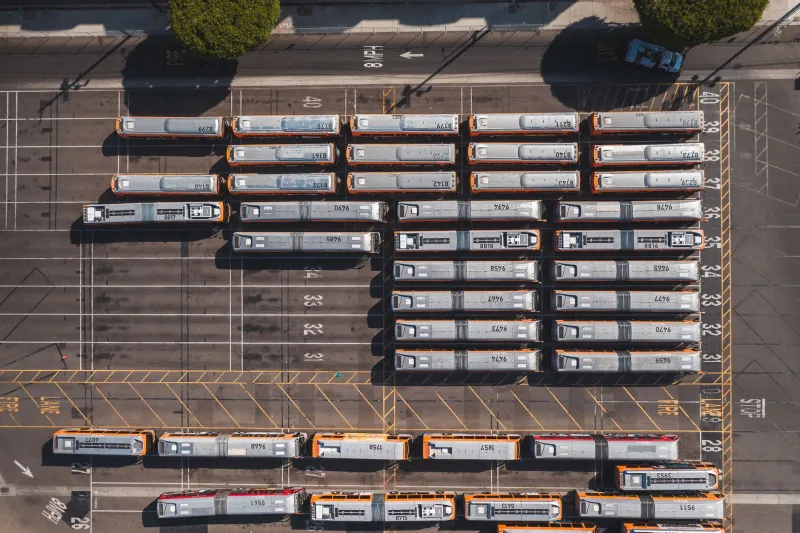
Parked and Forgotten: The Federal Funding Trap Filling Transit Yards With Buses That Never Run

Across the country, transit agencies are accepting federal grants to purchase buses they cannot afford to operate, leaving fleets idle while underserved neighborhoods wait for service that never comes. The disconnect between federal capital funding and the hard reality of operating budgets has created a quiet crisis in American public transportation. Real-time fleet utilization tools are beginning to expose the scale of the problem—and point toward a more rational approach to vehicle procurement

The Dashboard and the Platform: Why Transit Technology Serves Agencies Better Than It Serves Riders

The Dashboard and the Platform: Why Transit Technology Serves Agencies Better Than It Serves Riders

American transit agencies have poured significant resources into real-time tracking systems, operations dashboards, and predictive analytics platforms over the past decade. Yet daily commuters continue to miss transfers, encounter overcrowded vehicles, and receive arrival predictions that bear little resemblance to what actually shows up. The gap between what agencies measure and what riders experience points to a fundamental misalignment in how transit technology is being designed and deployed.

Scheduled to Fail: How Transit Agencies Are Running Buses Nobody Rides—and What Data-Driven Tools Can Do About It

Scheduled to Fail: How Transit Agencies Are Running Buses Nobody Rides—and What Data-Driven Tools Can Do About It

Across American cities, buses run predictable routes on predictable schedules—even when ridership patterns have shifted dramatically and seats remain empty mile after mile. Outdated planning frameworks and a reluctance to embrace real-time analytics are costing agencies millions while leaving actual commuters underserved. A new generation of AI-powered optimization tools is beginning to challenge that status quo.

After Midnight: The Commuters America's Transit System Was Never Built to Serve

After Midnight: The Commuters America's Transit System Was Never Built to Serve

Millions of Americans work shifts that begin when the last bus has already made its final run—nurses, warehouse workers, rideshare drivers, and delivery couriers who clock in at 11 p.m. and clock out at dawn. For these commuters, the transit system is not a safety net; it is a gap. TransitFix investigates how the rise of around-the-clock work has exposed a structural blind spot in American transit planning, and examines the technology-driven experiments that a handful of agencies are using to fi

Stuck in the Past: Why America's Transit Data Infrastructure Is Failing Commuters

Stuck in the Past: Why America's Transit Data Infrastructure Is Failing Commuters

The smartphone in your pocket can stream video from the other side of the world in seconds, but your city's transit agency may still be tracking buses with technology that predates broadband internet. A closer look at why so many American transit systems remain locked inside aging data infrastructure—and what a growing movement toward open data standards is beginning to unlock.

Why the Arrival Time on Your Transit App Is Often Wrong—and What Cities Are Doing About It

Why the Arrival Time on Your Transit App Is Often Wrong—and What Cities Are Doing About It

Commuters across the United States have learned, often through bitter experience, that the countdown timer on their transit app is more of an educated guess than a reliable fact. Behind this chronic inaccuracy lies a tangle of aging infrastructure, fragmented data systems, and vendor contracts that have not kept pace with the expectations of modern riders. A growing number of cities are now confronting this transparency crisis directly—with results that suggest the problem is solvable, but only